

Website visitors usually need to make more effort to return.
They need to remember the brand, open a browser, type the URL, search, click an ad, open an email, or find the store again.
Mobile app users have a much easier path.
The brand already has a place on their device. The app is easier to open, faster to browse, and more familiar to use. At the same time, the brand can actively bring users back with push notifications, app-exclusive campaigns, personalized messages, and interactive in-app experiences.
That creates two engagement forces:
Push: The brand reminds, nudges, and invites the user back.
Pull: The app feels convenient, familiar, and worth returning to.
Together, these explain why mobile app users often engage more than website visitors.
For Shopify brands, this matters because engagement is not only about getting more visits. It is about creating more frequent and meaningful interactions with customers who already know the brand and are more likely to come back, browse, buy, and repeat.
That is why a mobile app for Shopify can become a stronger engagement channel than relying on the mobile website alone.
1. The difference between website visits and app engagement
A website visit is usually temporary.
A user lands on the site, browses, maybe buys, and leaves. Once they leave, the brand often needs another trigger to bring them back.
That trigger may be a search result, a paid ad, an email, an SMS, a social post, a browser bookmark, or the customer’s own memory.
This means website engagement often depends on the shopper finding their way back.
A mobile app changes that relationship.
When a customer installs the app, the brand becomes part of the customer’s device environment. The app icon stays visible. The login may be saved. Preferences, rewards, orders, recently viewed products, and app-only offers can become easier to access.
This changes the psychology of returning.
The customer does not need to rediscover the brand each time. They already have a direct entry point.
A website is something users visit. An app is something users keep.
That difference alone makes the app better suited for repeated engagement.
2. The push effect: mobile apps actively bring users back
The push effect is the active side of mobile app engagement.
A website usually waits for the customer to come back. A mobile app can invite the customer back.
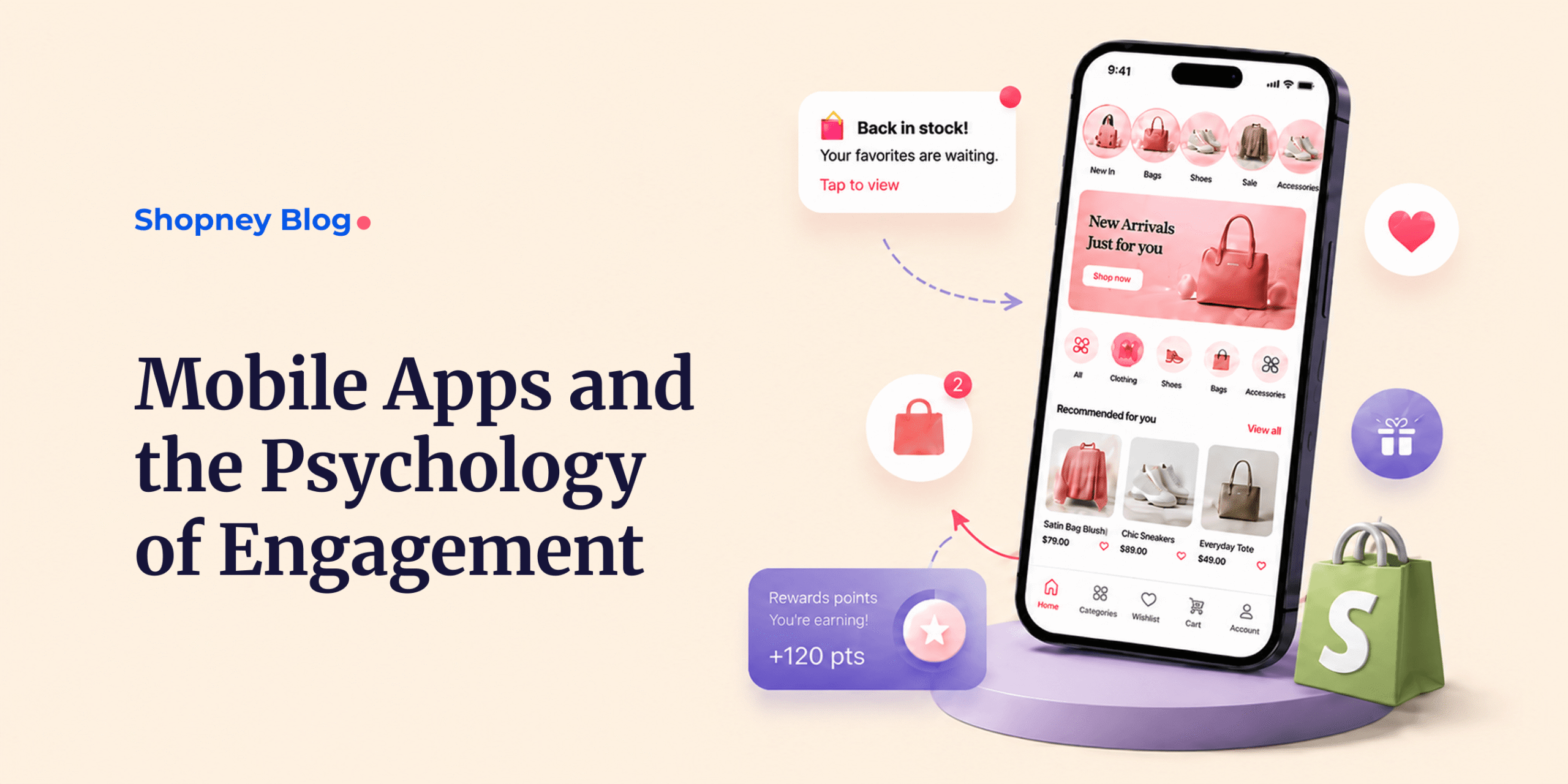
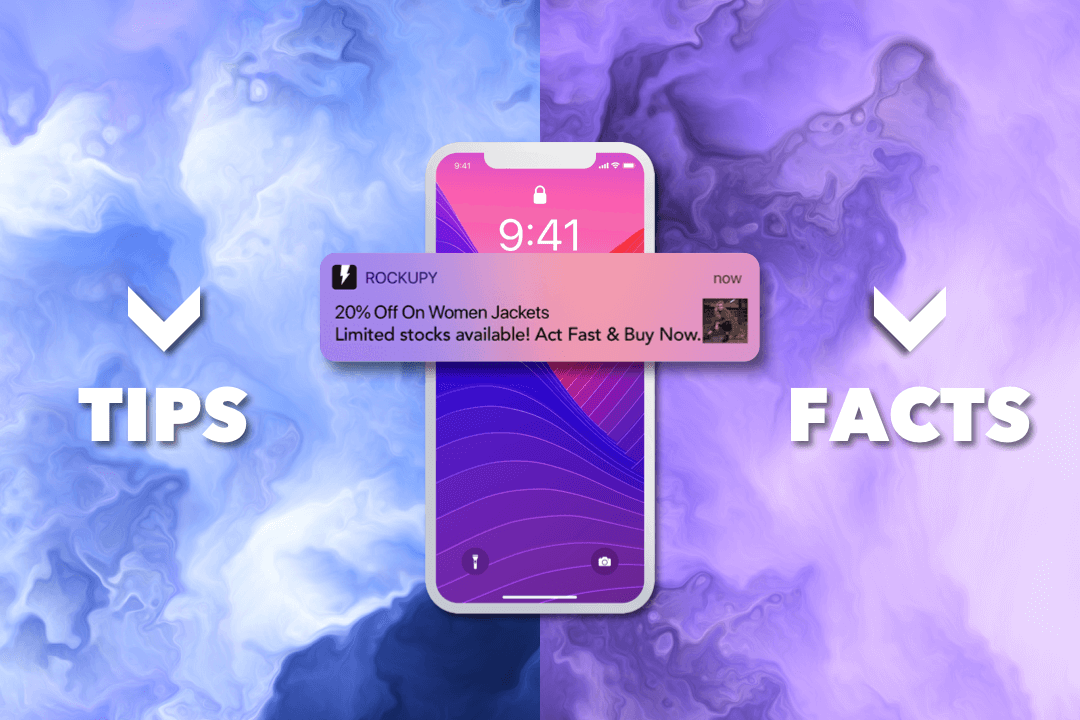
That invitation can happen through push notifications, in-app campaigns, back-in-stock alerts, abandoned cart reminders, product drops, personalized messages, app-exclusive offers, loyalty reminders, and order updates.
These touchpoints create re-engagement moments even when the customer is not actively browsing.
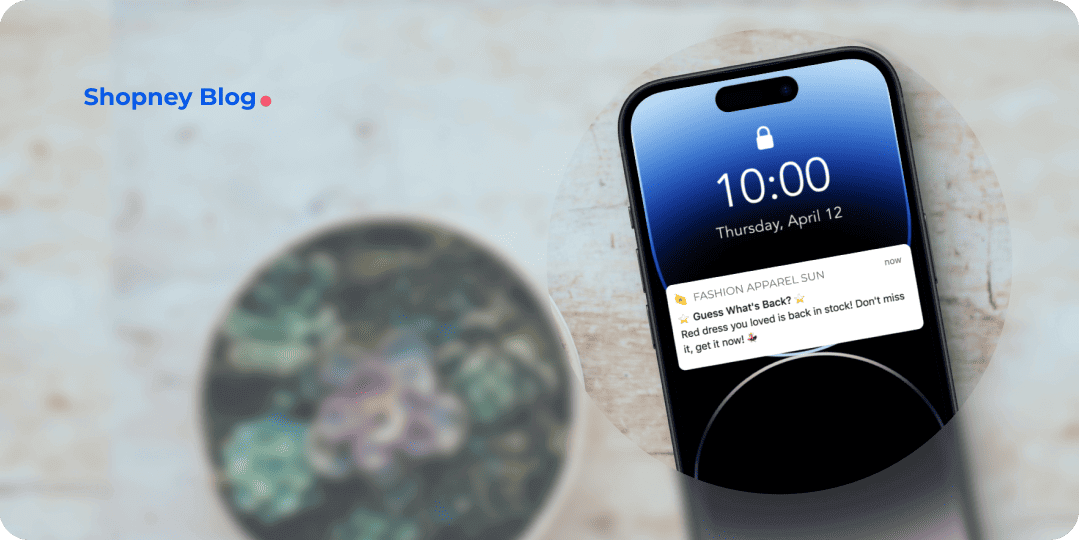
For example, a shopper may forget about a product they viewed. A push notification can remind them when it is back in stock.
A customer may abandon a cart. A timely message can bring them back before the purchase intent disappears.
A loyal customer may be interested in a new product drop. A push campaign can notify them when the collection goes live.
This is why push notifications are powerful inside a mobile app. They reduce the brand’s dependence on customer memory.
Instead of waiting for the shopper to remember, search, or return manually, the app creates a direct reason to come back.
Mobile apps increase engagement because they do not depend only on user memory. They can actively create return moments.
3. The pull effect: Mobile apps feel easier and more convenient to use
The pull effect is the natural attraction of the app experience itself.
Users are more likely to engage when the action feels easy.
Apps reduce effort because they are faster to open, easier to access, and more focused than websites. Customers do not need to search for the brand again, reload the full web experience, or start the shopping journey from zero every time.
The app gives them a familiar space that is already connected to the brand.
That convenience creates pull.
A mobile app can make common shopping actions easier, such as finding products, browsing new arrivals, checking rewards, accessing app-exclusive offers, viewing previous purchases, reordering products, tracking orders, receiving updates, and checking out faster.
These actions may seem small, but they shape how customers experience the brand.
On a website, every visit can feel like a new session. In an app, each visit can feel like a continuation. The customer can return to a familiar environment where the main actions are easier to complete.
This is especially important for repeat customers.
They are not always looking to explore from zero. Sometimes they want to reorder, check a product, track an order, redeem a reward, or see what is new. The app can make those repeated behaviors feel faster and more natural.
For Shopify brands trying to increase mobile app engagement, this matters because engagement is not only created by campaigns. It is also created by ease.
When the app feels faster, more focused, and more rewarding, users have more reasons to return.
Apps pull users back because the experience feels easier, faster, and more convenient.
4. Familiarity makes users more comfortable engaging
The more often users open the app, the more familiar the experience becomes.
Familiarity reduces mental effort.
Customers know where to find products, rewards, orders, and offers. They understand the layout. They remember where their favorite categories are. They know how to access their account, track an order, or find a previous purchase.
This makes browsing feel natural instead of effortful.
Over time, the app becomes part of the customer’s shopping routine.
A user may open it when they receive a push notification. They may check it when they know a new collection is coming. They may return when they need to reorder. They may browse when they have a few spare minutes.
This is how engagement starts turning into habit.
The app becomes more than a channel. It becomes a repeated behavior.
That is harder for websites to create because the website is usually not always present in the customer’s daily digital environment. The app, on the other hand, stays on the device. It is visible, accessible, and easier to return to.
Familiarity lowers friction and makes repeated engagement feel natural.
5. Personalization makes engagement feel more relevant
Users engage more when the experience feels made for them.
A generic website experience can still work, but it often treats many visitors in the same way. A mobile app can create a more personalized environment because it can use customer behavior, purchase history, product interest, app activity, and preferences to shape the experience.
This can show up through personalized push notifications, product recommendations, offers, app sections, recently viewed products, wishlist reminders, loyalty rewards, back-in-stock alerts, and reorder reminders.
When users see messages and products that match their interests, the app feels more relevant.
That relevance matters psychologically.
A customer is more likely to engage when they feel the message is connected to something they actually care about. A reminder about a product they viewed feels different from a generic promotion. A restock alert for an item they wanted feels different from a broad campaign. A personalized recommendation feels more useful than a random product block.
This is where personalization supports both engagement and conversion.
When the app helps customers find what they are more likely to want, it can boost Shopify mobile conversions while also making the experience feel more valuable.
People engage more when the message or experience feels personally useful.
6. Interactivity creates a stronger sense of participation
Websites can be interactive, but apps often make interaction feel more immediate and contained.
In-app campaigns, wishlists, loyalty rewards, product recommendations, chat, reviews, polls, app-exclusive drops, and content blocks give users more reasons to interact.
Engagement becomes more than browsing products.
The user can save, claim, unlock, chat, track, reorder, and respond.
They can save a product for later.
They can unlock a reward.
They can claim an offer.
They can track an order.
They can chat with support.
They can reorder a product.
They can respond to a campaign.
This sense of participation keeps the experience active.
It also gives users more reasons to return, because the app becomes a place where something can happen, not just a place where products are displayed.
Apps increase engagement by giving users more active ways to participate in the shopping journey.
7. App-exclusive value creates a reason to return
Users need a reason to keep opening the app.
Convenience matters, but value matters too.
App-exclusive discounts, early access, loyalty rewards, limited drops, and personalized campaigns can create that reason.
The app becomes associated with benefits the user cannot get as easily elsewhere. This creates anticipation.
If users know the app is where they can find early access, special rewards, limited offers, or more relevant product updates, they have a reason to check it more often. The app becomes associated with opportunity.
This is especially useful for Shopify brands that already have a strong customer base or repeat purchase behavior. App-exclusive value gives those customers a reason to stay close to the brand.
Over time, this can help brands retain Shopify customers with a mobile app by making the app feel useful beyond the first purchase.
When users believe the app gives them better access or better value, they are more likely to return.
8. The habit loop: trigger, action, reward, repeat
Mobile app engagement works like a habit loop.
First, there is a trigger.
That trigger could be a push notification, app icon, campaign, reward reminder, back-in-stock alert, or product drop announcement.
Then comes the action.
The customer opens the app, browses, saves a product, adds to cart, buys, tracks an order, checks rewards, or responds to a campaign.
Then comes the reward.
The reward could be a discount, product discovery, convenience, a status update, a loyalty benefit, early access, or simply the feeling that the app helped them complete something faster.
Then the loop repeats.
The user learns that opening the app is useful.
This is where push and pull work together.
The push creates the return moment.
The pull makes the experience worth returning to.
The reward teaches the user that the app is useful.
The next trigger becomes more effective.
This engagement loop is difficult to create with a website alone because the website usually depends more heavily on external channels to bring the user back.
A mobile app can create more repeatable behavior because it combines reminders, access, convenience, personalization, and reward in one place.
Apps engage more because they can create repeatable behavior loops.
9. Why websites struggle to create the same engagement
Websites are powerful for discovery and first visits.
They help shoppers find a brand through search, paid ads, social media, email, content, and product research. They are important for awareness, acquisition, and first-time browsing.
But they often rely on external triggers to bring users back.
Users must remember the brand, search again, click an ad, open an email, or revisit manually. That extra effort makes repeated engagement harder.
This does not mean websites are less important. It means they play a different role.
The website is often where the relationship starts. The mobile app is where the relationship can become more frequent.
Once a customer already knows the brand, has purchased before, or has a reason to return, the app can make that return easier. It also gives the brand a more direct way to communicate without depending on paid channels every time.
This is how apps can help Shopify brands reduce marketing costs with a mobile app over time. Every return visit does not have to depend on another ad, another search, or another external click.
Websites are good at being found. Apps are better at being returned to.
Conclusion
Mobile app engagement is not only about push notifications or design.
It comes from the combination of push and pull.
Push notifications and campaigns bring users back. Convenience, familiarity, personalization, and app-exclusive value make users want to stay and return.
That is why mobile app users often engage more than website visitors.
The app gives brands a way to create re-engagement, while also giving customers a better reason to come back.
For Shopify brands, this makes the app a stronger channel for engagement, retention, and repeat purchases. It helps turn existing customer interest into repeated interaction, stronger habits, and more direct relationships.
Mobile apps engage more because they do two things at once:
They give brands a way to bring users back.
And they give users a better reason to come back.
If you want to see how Shopney can help your Shopify store increase engagement, retention, and repeat purchases through a branded mobile app, Book a demo with Shopney.
Share this: