
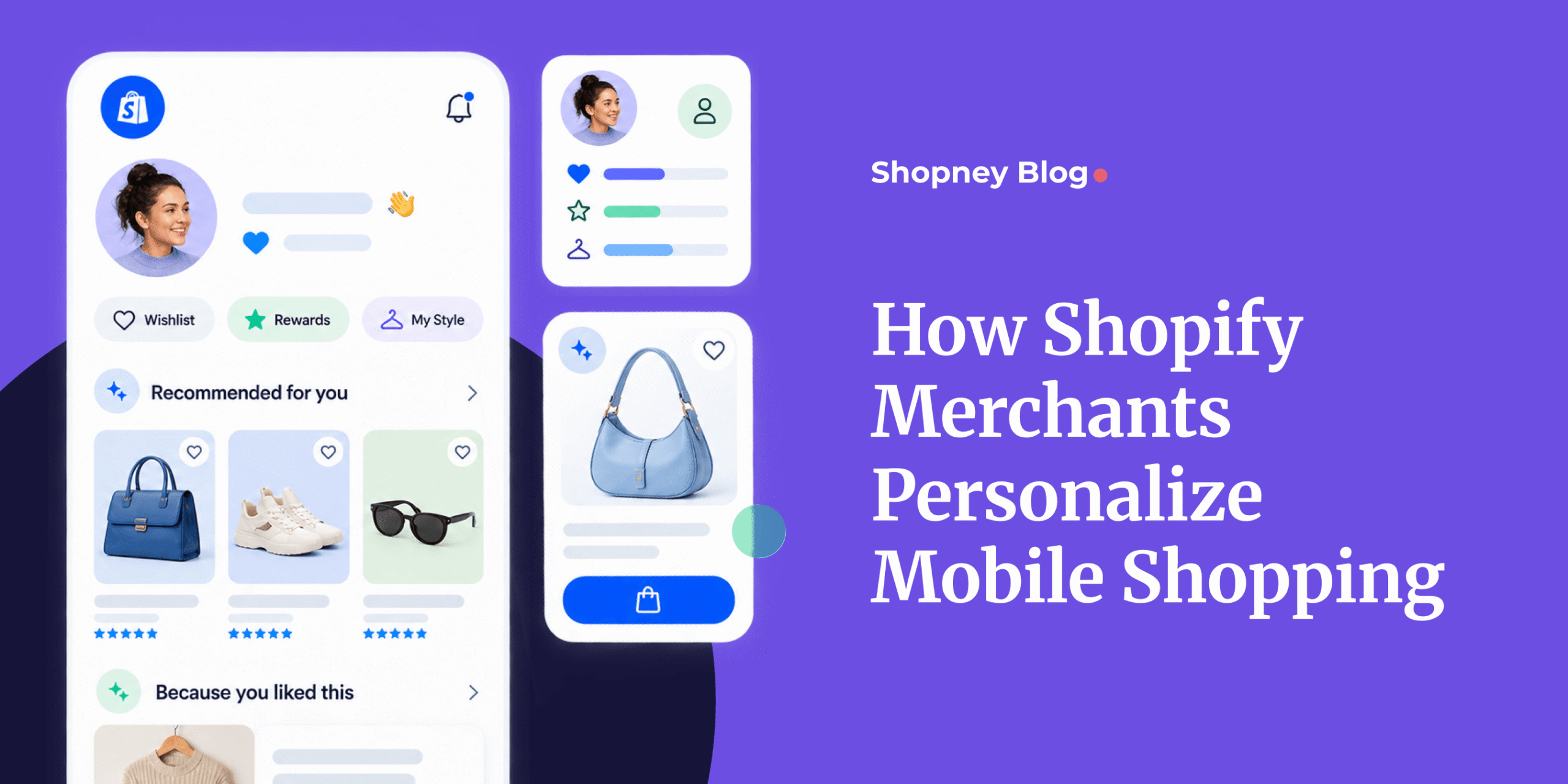

Personalization is no longer only about adding a customer’s name to a message or showing a few random product recommendations. For Shopify merchants, a more personal shopping experience means making the mobile journey feel relevant to what each customer actually browses, buys, saves, ignores, reorders, or engages with.
This is where a mobile app for Shopify can create a stronger customer experience. Unlike a mobile website that many shoppers visit and leave, a mobile app gives merchants a more direct way to build ongoing relationships with customers through product discovery, push notifications, in-app campaigns, loyalty visibility, app-exclusive offers, and repeat purchase journeys.
A customer who recently browsed skincare products should not always see the same experience as someone looking at shoes. A returning customer should not feel like a first-time visitor every time they open the app. A loyalty member should not have to search for rewards they have already earned.
That is why personalization should not be treated as one isolated feature. It should be part of the full mobile app experience.
In this article, we will look at how Shopify merchants can create more personal shopping experiences on mobile apps, how customer behavior can shape the journey, and how personalization can support engagement, conversion, retention, and repeat purchases.
1. Personalization Starts With Understanding Customer Behavior
A personal shopping experience starts with understanding what customers are already telling you through their actions.
Every browse, click, cart action, wishlist save, search, purchase, and campaign interaction gives merchants a signal. These signals help show what a customer may be interested in, what they may need next, and what kind of message is more likely to feel relevant.
For example, a customer who views the same product several times may need a useful reminder. A customer who adds a product to cart but does not complete the purchase may need a cart recovery message. A customer who buys the same product regularly may need a reorder reminder at the right time.
This is the foundation of mobile app personalization. It should not start from assumptions. It should start from customer behavior.
Shopify merchants can use signals such as viewed products, collections browsed, items added to cart, wishlist activity, past purchases, search behavior, loyalty status, location, customer tags, previous campaign engagement, and repeat purchase patterns to create more relevant mobile experiences.
The more clearly a merchant understands customer behavior, the easier it becomes to make the app feel useful instead of generic.
2. Returning Customers Should Not Feel Like First-Time Visitors
One of the biggest missed opportunities in mobile commerce is treating returning customers like new visitors every time they open the app.
A returning customer already has a history with the brand. They may have previous orders, saved products, loyalty points, preferred categories, or familiar shopping habits. If the app ignores that history, the experience feels the same as any other shopping channel.
A more personal mobile app experience should make returning customers feel recognized. That does not mean the experience has to be complicated. It can be as simple as showing recently viewed products, previous purchases, saved items, relevant collections, loyalty rewards, app-exclusive offers, or reorder options.
This matters because returning customers usually do not want to start from zero. They often want to continue where they left off, find something related to what they already liked, or complete a purchase they already considered.
When the app remembers the customer’s journey, returning feels easier. And when returning feels easier, merchants have a stronger chance to increase customer retention with a mobile app.
3. Personalized Product Discovery Helps Shoppers Find What Matters Faster
Product discovery is one of the most important parts of the mobile shopping experience.
On mobile, customers have limited attention. They do not always want to scroll through large catalogs, search from scratch, or move through too many steps before finding something relevant. Personalization helps merchants bring the right products closer to the customer earlier in the journey.
This can include recommended products, recently viewed products, related products, bestsellers in preferred categories, products based on past purchases, collections based on browsing behavior, and complementary product suggestions.
This is especially valuable for Shopify merchants with large catalogs. A store with many products can easily overwhelm shoppers if everything is presented in the same way to everyone. Personalized discovery helps reduce that effort by giving customers a more relevant starting point.
The goal is not to hide the full store or limit what customers can explore. The goal is to make the first path more useful.
When customers can find relevant products faster, the app becomes easier to use, and that can help merchants increase mobile app engagement in a more natural way.
4. Push Notifications Make Personalization Timely
Personalization is not only about what customers see when they open the app. It is also about when the brand communicates with them.
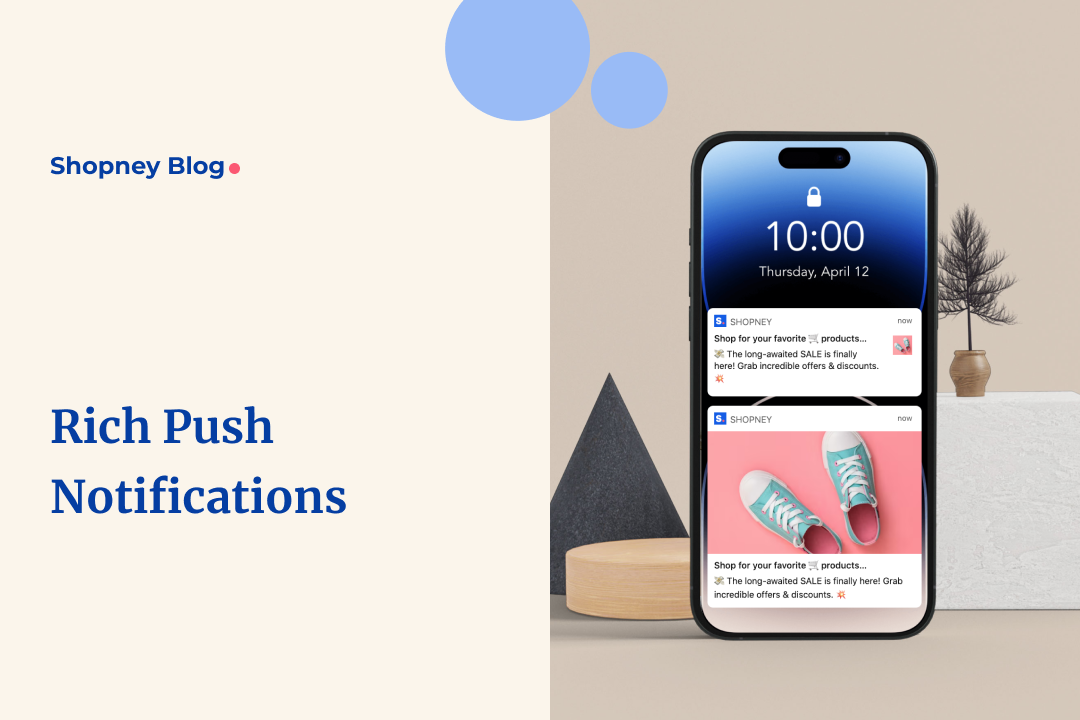
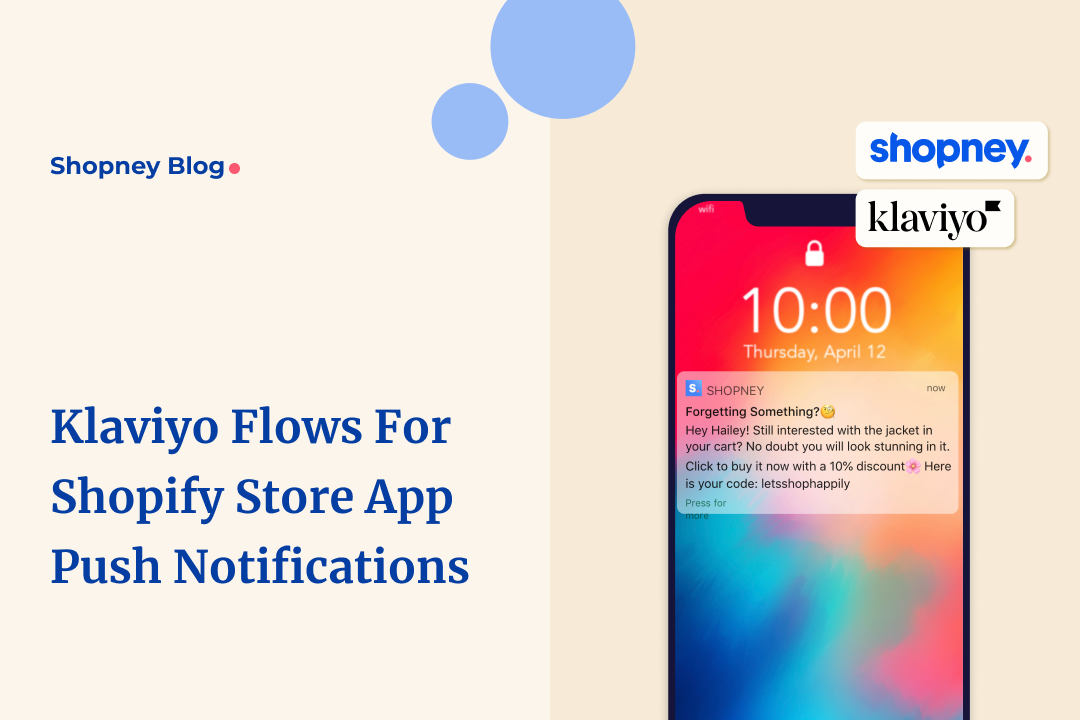
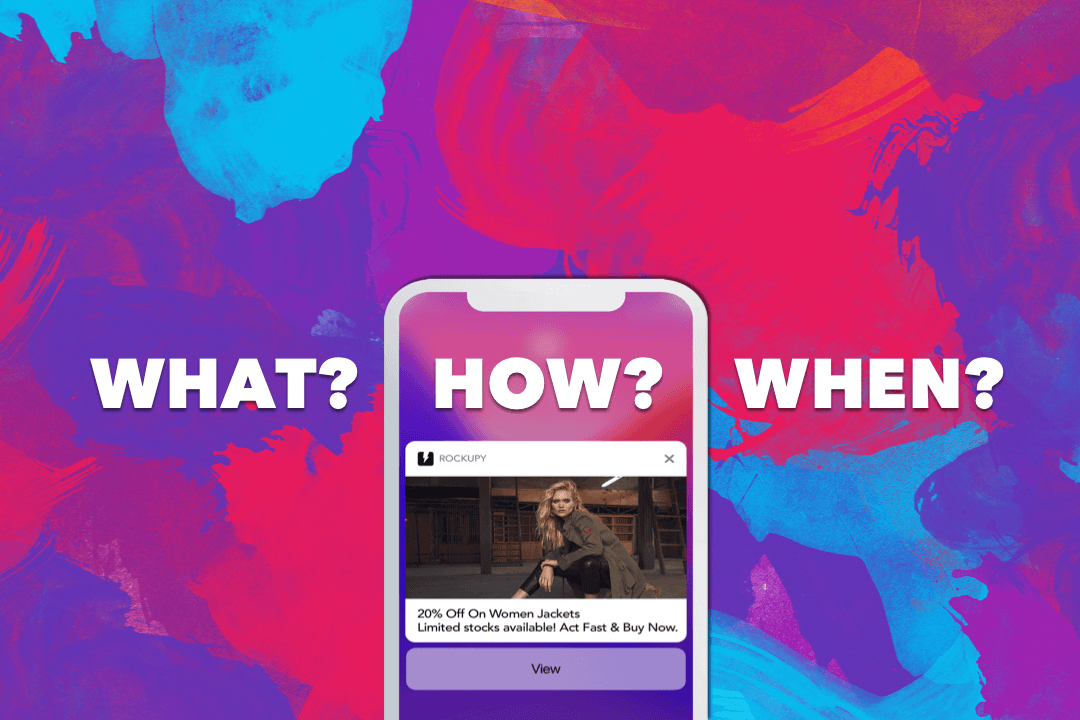
Push notifications can make personalization timely because they allow merchants to reach customers with messages that connect to their behavior, status, or previous interest. Instead of sending the same generic message to everyone, merchants can use push notifications to bring customers back with a reason that feels specific and useful.
This can include abandoned cart reminders, back-in-stock alerts, price drop messages, loyalty reward updates, reorder reminders, birthday or milestone offers, personalized product recommendations, app-exclusive campaigns, and location-based updates.
The difference is relevance.
A generic “Shop now” message is easy to ignore. A message about a saved item, an available reward, a product the customer viewed, or an item they left in cart feels more connected to the customer’s own journey.
That does not mean merchants should overuse push notifications. Personalization works best when the message has a clear reason to exist. If the customer understands why they received the message, it feels more helpful and less disruptive.
5. In-App Campaigns Continue The Personalized Journey
Push notifications can bring customers back, but the experience should not stop at the app open.
Once the customer enters the app, in-app campaigns can continue the personalized journey by showing the right offer, product, reward, or next step. This makes the experience feel connected instead of random.
For example, a customer may receive a push notification about a saved product. When they open the app, an in-app campaign can highlight that product and guide them to the product page. A loyalty customer may receive a reward reminder, then see an in-app campaign showing how to use that reward. A customer who recently browsed a category may return to an in-app campaign featuring products from that same category.
This is where push notifications and in-app campaigns become stronger together. Push notifications create the return moment, while in-app campaigns guide the customer once they are inside the app.
For Shopify merchants, this kind of connected experience can help turn app sessions into action. It can guide attention, reduce friction, and help customers move toward the next step without having to search for it themselves.
6. Customer Segments Help Merchants Avoid Generic Campaigns
Personalization does not always mean creating a completely unique experience for every single customer.
For many Shopify merchants, segmentation is the practical way to make campaigns more relevant at scale. Instead of sending one message to everyone, merchants can group customers based on behavior, purchase history, loyalty status, location, or app activity.
Segments can include first-time buyers, repeat customers, VIP customers, loyalty members, inactive customers, cart abandoners, customers interested in a specific category, customers from a certain location, or customers with a specific tag.
This makes campaigns more useful.
A VIP customer may receive early access to a product drop. A cart abandoner may receive a reminder about the product they left behind. An inactive customer may receive a win-back message. A loyalty member may receive a reward update. A customer who often buys from one category may receive a campaign related to that category.
Segmentation helps merchants avoid treating all customers the same. It also makes personalization easier to manage because campaigns are built around clear customer groups and clear customer needs.
7. Loyalty Personalization Makes Rewards Easier To Use
Loyalty programs become more powerful when customers can easily see and use the value they have earned.
Inside a mobile app, merchants can make loyalty feel more personal by showing points balances, available rewards, VIP tier progress, referral benefits, member-only offers, app-exclusive loyalty perks, and rewards based on previous purchase behavior.
This matters because customers may forget about points or rewards if they are hidden in an account page or only mentioned in email. A mobile app can bring loyalty into the shopping journey more clearly.
Instead of asking customers to remember their rewards, the app can remind them at the right moment. For example, a customer who has enough points for a discount can see that reward while browsing. A VIP customer can see early access or special benefits inside the app. A customer close to unlocking a reward can be encouraged to return and complete the next step.
This makes loyalty feel more visible and easier to act on.
For Shopify merchants, loyalty personalization is not only about rewarding customers. It is about giving them a stronger reason to return and continue shopping with the brand.
8. App-Exclusive Offers Make The Mobile Experience Feel Special
A mobile app becomes more valuable when customers understand why they should use it.
If the app feels exactly the same as the website, customers may not have a strong reason to return to it often. App-exclusive value can help make the app feel like a preferred shopping channel.
This can include app-only discounts, early access, exclusive product drops, VIP campaigns, personalized bundles, loyalty-based offers, special rewards, and limited-time app campaigns.
The important point is that app-exclusive value should still feel relevant. A frequent buyer may appreciate VIP access. A customer who browsed a certain category may respond better to an offer in that category. A loyalty member may care more about rewards than a general discount.
This does not mean merchants need to discount constantly. The goal is to make the app feel valuable through convenience, relevance, access, and a stronger shopping experience.
When customers feel that the app gives them something useful, they have a clearer reason to keep opening it.
9. Repeat Purchase Journeys Should Feel Easier And More Personal
For many Shopify merchants, personalization becomes especially valuable after the first purchase.
A customer who already bought once should not have to start from zero the next time they return. The app can make repeat shopping easier by remembering what the customer bought, what they may need again, and what products may be relevant next.
Mobile apps can support repeat purchases through reorder reminders, previous order visibility, saved preferences, product subscriptions, replenishment reminders, complementary product suggestions, loyalty reward prompts, and personalized push notifications.
This is especially useful for categories such as beauty, supplements, food, pet products, fashion, home goods, and lifestyle products. In these categories, customers often come back for the same product, a related product, or a new version of something they already liked.
A more personal repeat purchase journey reduces effort. The customer does not need to search again, remember the exact product name, or rebuild the same cart from scratch.
The app helps them return to the next logical step.
This is also where personalization supports repeat purchases and long-term retention. When customers feel that buying again is easier, they have fewer reasons to delay, leave, or return through another paid channel.
10. Personalization Should Reduce Friction, Not Add Complexity
Personalization should make the mobile shopping experience easier, not more overwhelming.
This is an important point because personalization can easily go too far. Too many popups, too many push notifications, too many offers, or too many personalized sections can make the app feel cluttered.
A personal experience should feel simple and useful.
Merchants should avoid showing too many campaigns at once, sending irrelevant push notifications, overusing discounts, personalizing without a clear reason, making the app feel crowded, treating all customers as one group, or creating disconnected journeys.
The best personalization often feels natural. The customer does not necessarily think, “This app is personalized.” They simply feel that the app is easier to use, the products are more relevant, the messages are more useful, and the next step is clearer.
That is the real goal.
Personalization should remove effort from the customer journey. It should help shoppers find what matters faster, return more easily, and act with less friction.
11. Measure Whether Personalization Improves The Customer Journey
Personalization should not only look good inside the app. It should improve the customer journey.
Shopify merchants should measure whether personalized experiences lead to better engagement, conversion, retention, and repeat purchase behavior. Useful metrics can include push notification open rate, campaign click-through rate, product views, add-to-cart rate, conversion rate, repeat purchase rate, retention rate, app session frequency, loyalty engagement, and revenue from personalized campaigns.
The goal is not just to send personalized messages. The goal is to understand whether those messages help customers take meaningful actions.
For example, a personalized push notification may bring a customer back to the app. But the merchant should also look at what happens next. Did the customer view the product? Did they click the campaign? Did they add to cart? Did they purchase? Did they return again later?
This gives merchants a clearer view of whether personalization is actually improving the mobile shopping experience.
A campaign that feels personal but does not help the customer act may need to be adjusted. A campaign that creates stronger engagement, repeat purchases, or retention is a stronger sign that personalization is working.
Conclusion
Personal shopping experiences on mobile apps are not built from one feature alone.
They come from understanding customer behavior and using that behavior across product discovery, push notifications, in-app campaigns, loyalty, app-exclusive offers, and repeat purchase journeys.
For Shopify merchants, mobile apps create a strong opportunity to make the shopping journey feel more relevant, useful, and easier to return to. The customer can see products that match their interests, receive messages connected to their behavior, access rewards more easily, and return to previous purchases without starting from zero.
The strongest personalization does not feel complicated or intrusive. It simply makes the app feel more familiar, more helpful, and more connected to the customer.
To see how Shopney can help you create personal mobile shopping experiences with push notifications, in-app campaigns, integrations, loyalty, and app engagement tools, Book a demo with Shopney.
Share this: